

To diversify trade, ditch the ideological baggage
BY STUART TREW
Stuart Trew is a senior researcher with the Canadian Centre for Policy Alternatives where he directs the Trade and Investment Project.
The second presidency of Donald Trump has accelerated the unravelling of the international rules-based trading order. Prime Minister Mark Carney, in his lauded January speech to the World Economic Forum, called it a “rupture” from which there is no going back.
This is probably true, and the prime minister can be congratulated for saying the quiet part out loud: the rules, as written, do not “lift all boats” but benefit mainly the strong and wealthy. Middle powers and lower income countries should indeed come together to establish fairer, more balanced trading relationships.
Unfortunately, this is not what our government is doing. Canada’s trade diversification policy amounts to signing more old school free trade and investment deals as quickly, and with as little debate, as possible.
These deals may give some exporters an edge by lowering overseas tariffs. But they are also crammed full of needless rules that take forever to negotiate and, more importantly, interfere with good public policy.
For example, recent Canadian free trade deals contain hundreds of pages of constraints on the kinds of food safety measures, industrial strategies and environmental protections we can introduce. They restrict the expansion of public services, outlaw efforts to make pharmaceuticals more affordable, and undermine our ability to regulate and foster domestic competition for U.S.-based Big Tech firms.
Public procurement rules in Canada’s trade deals limit the effectiveness of federal, provincial and municipal “Buy Canadian” policies by forbidding public agencies from favouring Canadian goods and services above low monetary thresholds. We need to rethink these strange rules rather than expanding them to cover more countries.
The same common sense should be applied to investment, both inward and outward. It’s good to see the government looking for investors to fund new jobs and production in this country. But we shoot ourselves in the foot by signing trade and investment treaties that make it very difficult to ensure this money brings real benefits.
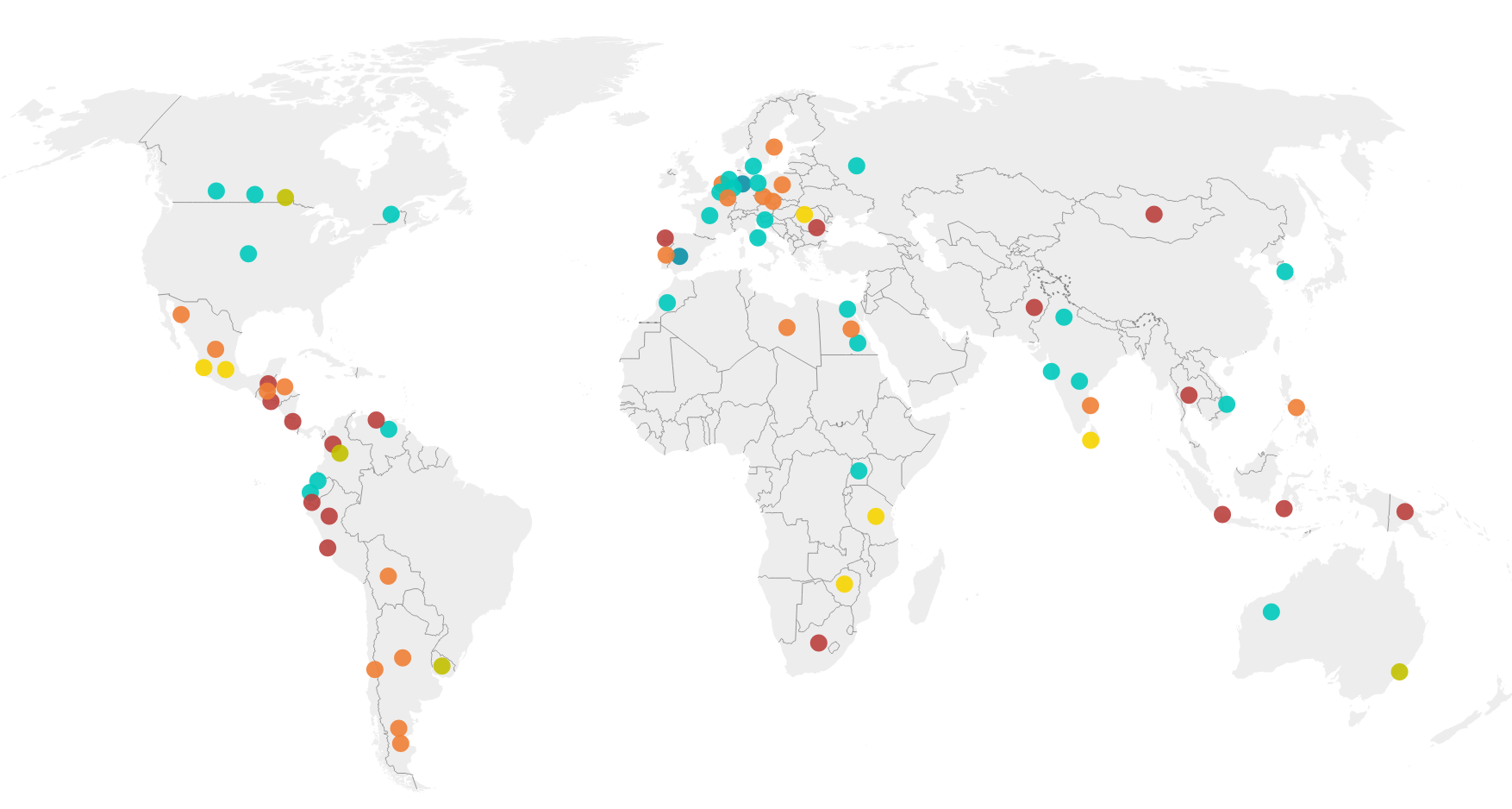
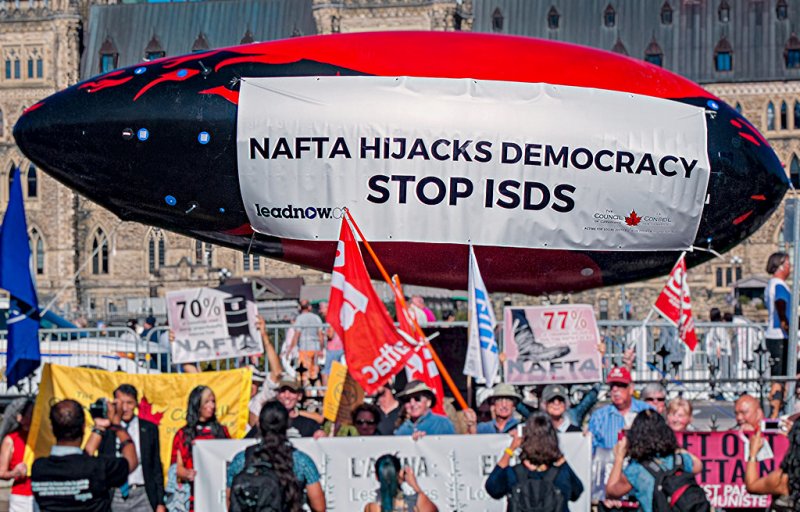
Most Canadian trade deals include an investor-state dispute settlement process that lets foreign investors fight government actions affecting their investments in private arbitration instead of our more balanced and transparent national courts. Canadian mining firms frequently use ISDS to sue other countries when Indigenous opposition or concerns about environmental impacts threaten their profitability.
Canada is no stranger to this feature of the “rules-based” investment order. We now face a $1-billion lawsuit from U.S. investors under legacy ISDS rights in the Canada-U.S.-Mexico Agreement (CUSMA) for Quebec’s decision to deny a liquefied natural gas project in the Saguenay based on the environmental risk, poor business case and impact on Indigenous cultural rights.
Two Australian coal investors have also brought an investor lawsuit against Canada under the Comprehensive and Progressive Agreement for Trans-Pacific Partnership (CPTPP) related to Alberta’s planned (then ditched) coal mining phase-out and the establishment of a national park on or near their mining concessions.
Many countries would prefer not to include such excessive investor rights in free trade deals with Canada. There is no evidence they increase the flow or quality of investment or ensure projects move ahead in a timely manner. Former deputy prime minister Chrystia Freeland said ISDS undermines Canada’s ability to protect the environment and public health.
Why on Earth does the federal government keep foisting investment treaties and ISDS onto other countries as a priority item in new free trade deals? More than a waste of time, this strange preoccupation of our government contradicts plans to build more balanced international trading relationships.
Certainly, governments should help Canadian businesses find new customers and investors abroad. But this can be done through targeted trade assistance and export promotion.
Canada’s standard free trade agreements, on the other hand, offer small gains for a few export sectors, expose Canadian producers struggling under Trump’s trade war to more pressure, and burden governments trying to protect people and the environment from harmful or unwanted commercial activity.
Canada and its trading partners are rediscovering the need for more interventionist economic policies in the face of climate change, chaos in the rules-based trading order, and economic coercion from the U.S., China and Russia. Our trade policies should react appropriately to this shift, with the interests of all countries in mind, not cling to outdated ideology.