

UK trade deal with Gulf turns a blind eye to human rights abuses, say campaigners
The UK government has concluded a Free Trade Agreement with the Gulf Cooperation Council (GCC). After nearly four years of negotiations, the Government has signed an agreement with the Gulf Cooperation Council (GCC) which looks to be silent on human rights, labour rights and climate action in return for minimal economic benefit. Worse still, it will allow Gulf investors to sue the UK government over policies which they argue unfairly hit the value of their investments.
The UK government’s own modelling indicates this deal would increase UK GDP by only 0.06% to 0.11% by 2035. In return for this tiny potential benefit, the UK is throwing itself open to lawsuits and sacrificing its reputation as a champion for human rights and climate action.
The deal is set to include an investor-state dispute settlement (ISDS) chapter. This means investors from the Gulf will be able to sue the UK government over policies which damage the value of their investments. The UK is currently fighting two ISDS cases, one relating to the discontinued West Cumbria coal mine and the other to the decision to sanction a billionaire Russian oligarch. Gulf investors in the UK – which include interests in Heathrow Airport and Newcastle United – would be able to use ISDS to oppose future regulation of their sectors.
This agreement sits uneasily alongside the UK Trade Strategy published in July 2025, which set out a vision for UK trade policy that would “promote fair labour practices, rule of law, governance and reduced inequality.”
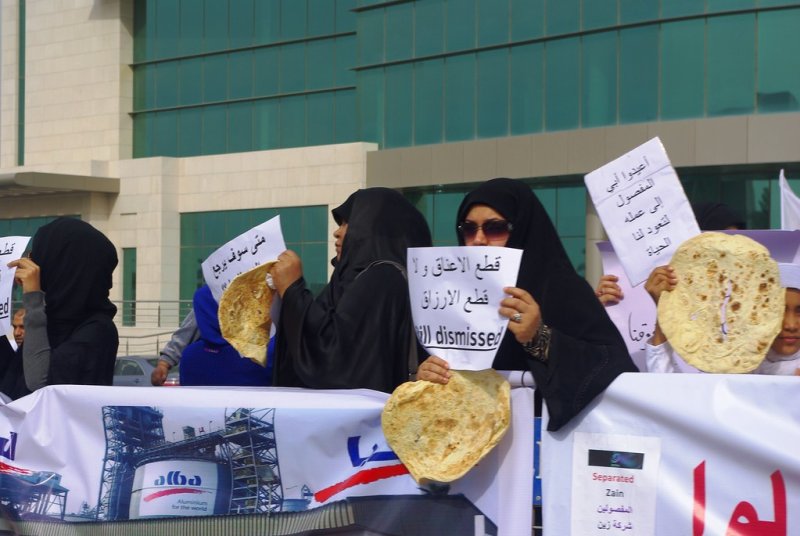
Yet the UK-GCC deal fails to deliver on this promise. It contains no enforceable human rights or labour protections and was not informed by a human rights impact assessment. This omission is especially alarming given the severe human rights abuses across the Gulf region, including torture, forced labour, discrimination, and the silencing of dissent.
In a joint letter from 2025, organisations including the Trade Justice Movement (TJM), Amnesty International UK, Human Rights Watch warned GCC states are responsible for grave and widespread human rights violations. These include the criminalisation of trade unions, severe restrictions on women’s rights, the abuse of migrant and domestic workers under the kafala system, the persecution of LGBTQI+ people, and the repression of journalists, activists and political opponents. Despite these concerns, the UK has not secured any enforceable human rights protections in the agreement.
TJM polling has shown only 21% of the public was in favour of the UK’s trade talks with the GCC. Yet MPs have not been able to represent their constituents’ concerns on this issue: the negotiations took place without a published negotiating mandate and without any opportunity for Parliament to scrutinise or vote on the agreement, underscoring the wider lack of accountability in UK trade policy.
Tom Wills, Director of the Trade Justice Movement said:
“Today’s deal locks the UK into deeper commercial ties with some of the most repressive governments in the world, for economic gains so marginal they barely register. By failing to negotiate any enforceable human rights protections within the deal, the UK has taken a moral step backwards and undermined the government’s own commitments on democracy, women’s rights and workers’ rights.”
“It is extraordinary that this deal will extend to Gulf investors the right to sue the UK government for policies which lessen the value of their investments. At a time when the UK is being sued twice over under the ISDS system – by fossil fuel financiers and a Russian oligarch – the government should be retreating from the system rather than getting further enmeshed.”