

ISDS Case Map
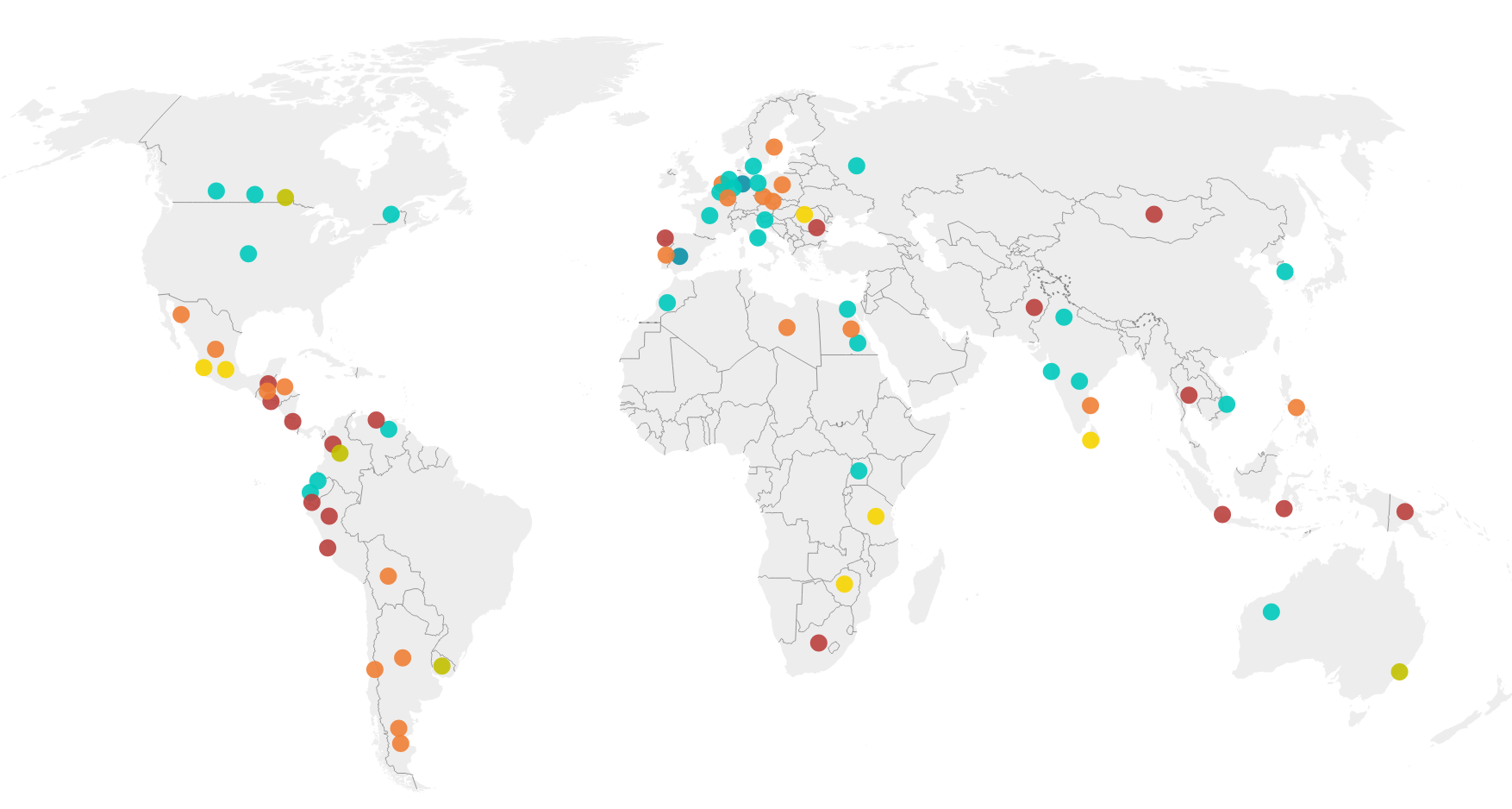

last update: May 2012
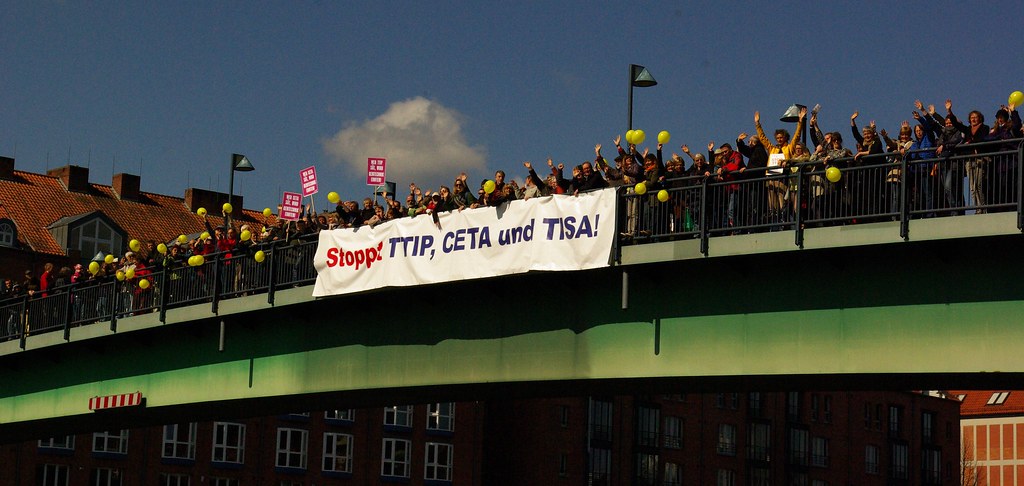
photo: Mehr Demokratie e.V.




European business lobby group on foreign trade issues
Site internet du collectif français Stop TAFTA, CETA et autres accords de libre-échange
The European Services Forum (ESF) is a network of representatives from the European services sector. We are committed to actively promoting the interests of ...
Eurochambres, a European business lobby group, webpage on FTAs
Friends of the Earth Europe's special web section on trade deals
The Norwegian Trade Campaign will oppose the current, neo-liberal trade policies and fundamentally reform the trade policy system.
POUR est un collectif citoyen qui met à votre disposition des analyses et prises de position d’experts, de philosophes, de sociologues, de juristes, d’économ...
The S2B network was formed in the aftermath of the WTO's 1999 Seattle Ministerial to challenge the corporate-driven agenda of the European Union and other Eu...
Greenpeace's leaked documents underline the strong objections civil society and millions of people around the world have voiced.
The bilaterals.org team is pleased to announce the launch of an upgraded version of the website and its content management system.
Click here for more information.

