

ISDS Case Map
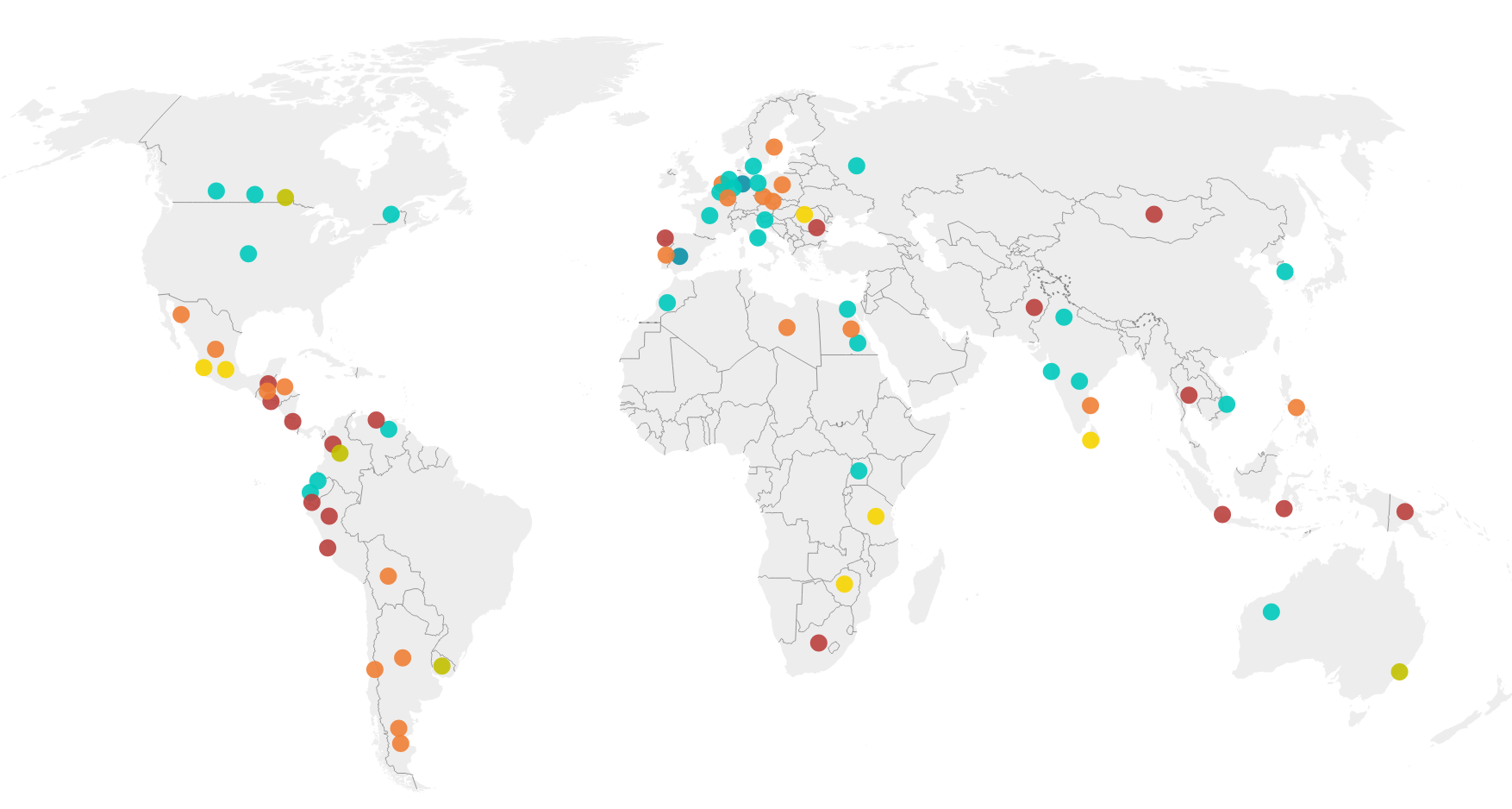

last update: May 2012

A publication of the Frederick S. Pardee Center for the Study of the Longer-Range Future. The paper examines the policy space available under various free t...
Website for the global day of action to defeat free trade and investment treaties #A18DoA
La Alianza Social Continental es un foro de organizaciones y movimientos sociales progresistas de las Américas, creado para intercambiar información, definir...
International Chamber of Commerce
A multilingual (English, Spanish, Portuguese) website focusing on social movements and their campaigns, including those against bilateral and regional FTAs.
In this week's edition of the Emerging Powers News Round-Up, read a comprehensive list of news stories and opinion pieces related to China, India and other e...
People Over Profit is a campaign network that unites peoples movements and NGOs across the globe to stop free trade agreements (FTAs) and corporate plunder, ...
In February 1998, movements from all continents met in Geneva to launch a worldwide coordination of resistances to the global market, a new alliance of strug...
Selected research papers on regional trade agreements, from internationaleconomics.net
SOMO links the negotiations and rules on international trade and investment with the actual conduct of corporations within these rules and agreements.
An intergovernmental organisation of developing countries
10 days to stop fast track in the United States: Jan 22 - 31 2014
The bilaterals.org team is pleased to announce the launch of an upgraded version of the website and its content management system.
Click here for more information.