


Canada-Colombia

On 7 June 2008, Canada concluded free trade agreement (FTA) negotiations with Colombia. The Canadian government has pushed this agreement, stating that “Colombia is an established and growing market for Canadian exporters (e.g. wheat, pulses, barley, chemicals, paper products, and heavy equipment) and service providers (mining, oil and gas, engineering, information, and communication sectors), as well as a strategic destination for Canadian direct investments (mining, oil exploration, printing, and education).“

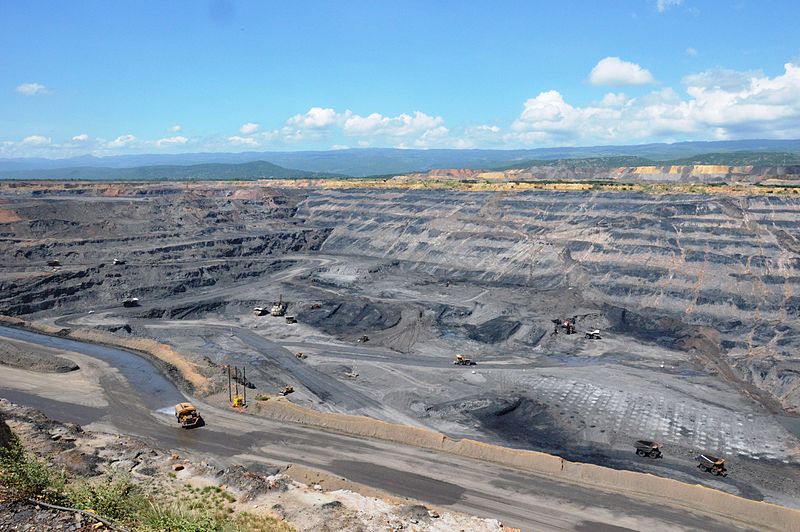
Canada has also said that the FTA will “promote a more stable and predictable investment environment in Colombia.“ Many Colombians and Canadians think otherwise, and believe that the investment and economic ramifications of the FTA will lead to more instability and increased human rights violations in a country already plagued with violence and conflict. Canadian mining interests, for example, will benefit greatly from equal treatment in the exploitation of Colombian natural resources. But in a country where trade unionists and labor activists are routinely threatened and murdered, many say that the involvement of Canadian business interests will only increase illegal persecution of those who struggle for fair working conditions and other labour-related causes. Mineral exploitation, such as that being developed in the town of Marmato by Canadian Colombia Goldfields, threatens the displacement of whole communities in order to facilitate mining, in a country already estimated to have between 1.8 and 3 million internally displaced people.

Canada-Colombia trade relations are nominal in comparison to other countries, barely surpassing $1 billion in trade each year. However, in terms of sectors engaged in megaprojects, such as mining or oil and gas, Canadian multinationals are among the major players.

Regarding Canada’s promotion of this FTA, Michael Hart, a professor at Carleton University in Ottawa says, “It’s a political gesture

Making a bad situation worse: An analysis of the text of the Canada-Colombia Free Trade Agreement
While trade can support development and the realization of human rights, the authors find that neither the political conditions in Colombia, nor the terms of this FTA meet the criteria that would allow that to happen.
Canada-Colombia free trade agreement condemned
Colombia's national labour federations and major unions have condemned the free trade agreement (FTA) signed by the governments of Canada and Colombia last year.
Colombians blast flower trade
Flowers from Colombia are grown in blood, according to a small delegation from that country asking Canadians to think twice about the origin of flowers they buy for Valentine's Day.
Colombia-Canada trade pact needs more thought: Activists
The signed free trade deal between Canada and Colombia could devastate indigenous communities in the South American country if implemented in its current form, says an official with a national Colombian indigenous group in Ottawa Tuesday to lobby government and opposition MPs to delay implementation of the economic pact.
No such thing as free trade
When Canadian Minister of International Trade Stockwell Day signed the Canada-Colombia Free Trade Agreement (FTA) in Peru on November 21, it was a happy day for Canada's oil and gas sector, but the deal was celebrated instead as a landmark for human rights and democracy in Colombia.
Canada Colombia Free Trade Agreement should be rejected
The Harper government pretends that the Colombian Free Trade agreement will advance the human rights agenda in Colombia. But essentially, here is what would happen: in case of abuse, a small fine would be levied by the Canadian government which the Colombian government would then pay to itself.
Canada-Colombia Free Trade Agreement Signed
Not a government to fail to live up to its reactionary commitments, the Tories signed Canada's free trade agreement with Colombia on November 21st. The signing is the culmination of the Tory government's aggressive campaign to reach a trade deal with the human-rights troubled Andean country. Prime Minister Harper first announced his government's intention to get a deal with Colombia during his state visit there in July, 2007. Sixteen months and three high-level cabinet-minister visits later, and voila!, mission accomplished.
Canada's deal with Colombia ignores human rights abuses
The National Union of Public and General Employees (NUPGE) has joined with other labour and human rights organizations in condemning the Harper government's approval of a free-trade deal with Colombia. The union is urging MPs in Ottawa to reject the tentative deal.
Canadian Churches signal alarm over free trade deal with Colombia
KAIROS calls on the government of Canada to conduct a Human Rights Impact Assessment before proceeding any further.
Free trade with Colombia a cruel move
Harper says that workers' protection has been written into the trade deal. But whether these stipulations will be enforced is another story.