19-Jul-2023
Friends of the Earth Europe
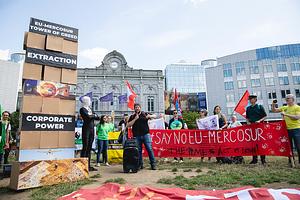
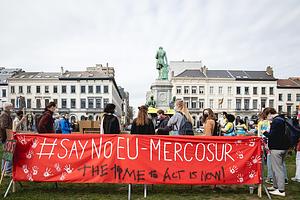
A coalition of more than 450 organisations from Latin America and Europe criticised the announcement by leaders from the EU and Mercosur countries that they aim to resolve outstanding issues and conclude the EU-Mercosur trade agreement by the end of 2023.
17-Jul-2023
Indonesia for Global Justice
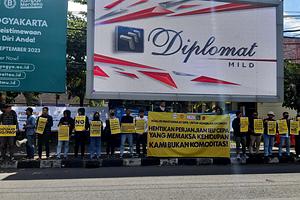
The protection of human rights, social justice, and a sustainable environment, particularly for the Indonesian people, are threatened by the Indonesia-EU CEPA negotiations in their current form, so Indonesian civil society organized an action to demand that the European Commission and the Government of Indonesia immediately halt them.
13-Jul-2023
bilaterals.org
The journey of EPAs continues to unfold, with each chapter revealing new complexities and challenges. As negotiations progress, it remains crucial to monitor the evolving dynamics and their implications for trade relations between the EU and its partner countries.
11-Jul-2023
Ngā Toki Whakarururanga
The NZ EU FTA does not promote and protect the rights, interests, duties and responsibilities of Māori in a Te Tiriti-compliant manner and offers minimal, if any, concrete economic benefits to Māori businesses and workers.
5-Jul-2023
Third World Network
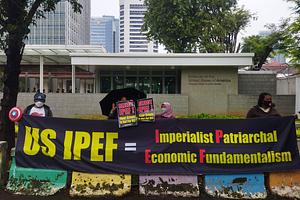
IPEF is designed by the US for its own prosperity, with developing countries unlikely to gain anything significant from it. Even if the IPEF does not eventually include dispute settlement provisions, and despite some of the provisions appearing to be only statements of intent and more in the nature of cooperation