


How foreign investor lawsuits stymie environmental protection
by Aimee Gabay
- New data reveal that lawsuits filed by corporations against Latin American and Caribbean countries are increasing, undermining government efforts to implement policies that could benefit the energy transition, human rights and the environment.
- Between 2014 and 2024, 212 lawsuits were registered, a 133% increase from previous decades.
- Across 419 known cases filed by mid-October 2025, countries in the region are facing a total of $36.6 billion in lawsuits from corporations, with 23% of claims coming from the mining, oil and gas sector, making it the second-most sued region globally by foreign investors.
New data by the Transnational Institute reveal how an increase in lawsuits by foreign investors is undermining government efforts to protect natural resources and human rights in Latin America and the Caribbean. Countries in the region are facing a total of $36.6 billion in lawsuits from corporations, all through investor-state dispute settlement (ISDS) claims, which often constrain governments’ ability to implement reforms due to fear of costly punishments.
The data identified 419 ISDS claims against countries in the region filed as of mid-October 2025, with Venezuela, Argentina, Mexico, Peru and Ecuador shouldering the highest costs. Together, they face almost two-thirds of all lawsuits, with 257 claims.
Between 2014 and 2024, 212 lawsuits were registered across the region, a 133% increase from previous decades.
“We are talking about close to 40 billion dollars LAC [Latin American and Caribbean] states have been ordered to pay already, and there are many cases we don’t know the amount they were asked to pay, so the number is actually higher,” Bettina Müller, an associate researcher at the Transnational Institute and author of the report, told Mongabay over email. “Imagine what could have been done with 40 billion dollars in the region and specifically in the countries which have been ordered to pay the most, like Venezuela and Argentina.”
ISDS is a mechanism in international trade agreements that allows foreign investors to sue states before international tribunals when they think that national laws, regulations, legal decisions or other public measures violate their treaty protections. The mechanism has been criticized by the U.N. Special Rapporteur on the human right to a clean, healthy and sustainable environment, the EU’s European Economic and Social Committee, academics and civil society organizations for lack of transparency, high costs and strong pro-investor biases, among other issues.
A spokesperson for the International Centre for Settlement of Investment Disputes (ICSID) told Mongabay over email that based on its 2022 arbitration rules, the ICSID publishes procedural orders and decisions in arbitration cases within 60 days, and that there is a public register of cases. In addition, hearings are open to the public, unless the claimant or respondent objects. The spokesperson also said the “ICSID is an impartial facility” and that decisions are made by independent arbitral tribunals, which, in most cases, consist of three people whom the parties generally appoint.
Venezuela faces the most lawsuits in the region, with 66 claims. Out of all resolved claims, 62.5% were decided in favor of the investor, which has cost the country almost $19.7 billion to date. According to the data, this is commonly the case, as about two-thirds of the resolved cases across Latin America and the Caribbean have been in the investor’s favor. In 2019, Venezuela lost the ICSID case filed by ConocoPhillips and was ordered to pay $8.4 billion to the company. This was the highest award ever issued to a country in the region.
The ICSID of the World Bank Group is the arbitration center that is most commonly chosen by investors, selected for 265 out of the 419 claims identified by the Transnational Institute, but there are others, such as the Permanent Court of Arbitration and the London Court of International Arbitration.
Countries are sued for different reasons, Müller explained. Many of the lawsuits against Venezuela and Bolivia were because they decided to nationalize oil production or strategic sectors, or the government increased taxes on fossil fuel companies, or both, she said. Argentina was sued many times because of a financial crisis that forced it to implement measures to mitigate its effect, such as prohibiting the increase in prices for services such as public transport, water and energy.
ISDS impact on energy transition
The data found there is a growing number of claims from investors in the mining, oil and gas sector. Of the 419 known cases in the region, 96 claims, or 23%, were related to these sectors. In many cases, the lawsuits were filed because countries decided to stop mining or oil projects because of social unrest or environmental concerns.
“The mere existence of ISDS is an obstacle for the clean energy transition,” Müller said. “Before cancelling any extractive project, countries will evaluate if this could lead to claims by foreign investors. So, most likely, they won’t do it.”
Colombia’s environment minister, Irene Vélez Torres, recently called for reform of international arbitration tribunals, arguing that it is “one of the greatest obstacles” to the energy transition. Bolivia was the first country to ever withdraw from the ICSID Convention in 2007, and it enacted a new Constitution in 2009 that prohibits ISDS. Ecuador withdrew shortly after in 2009 but rejoined in 2021. However, ISDS remains restricted by its 2008 Constitution, which includes measures to prevent costly arbitration cases against it.
“The sole thread of an ISDS claim can lead to a country abandoning its ambitions to better protect the environment, consumers, health or communities,” Müller said. “This is not just a theoretical thread, but something that has and is happening recurrently. Once there is an ISDS claim, countries often try to negotiate with the investor to settle the claim, meaning, for example, the resumption of mining activities.”
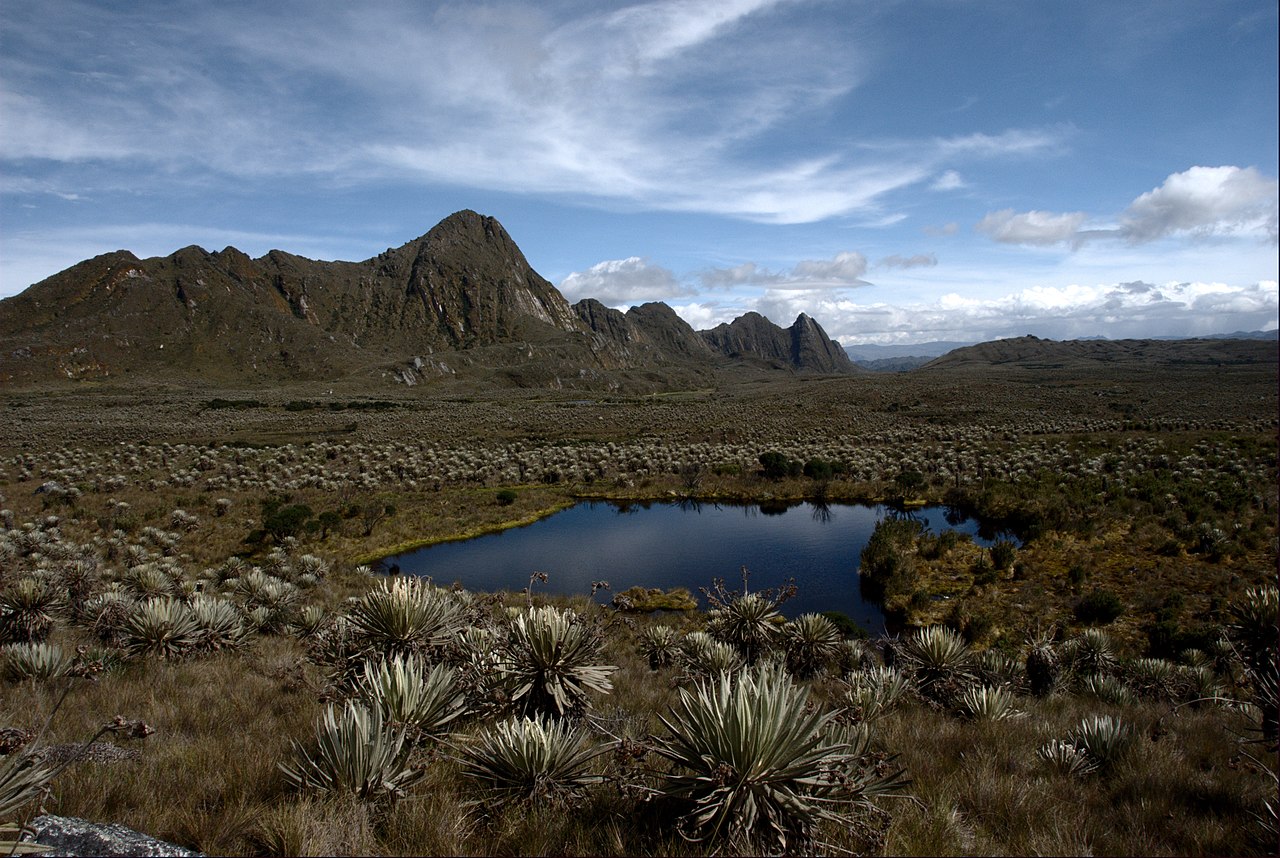
In 2016, after a series of mass protests in Colombia, the Constitutional Court decided to shut down the Canadian mining company Eco Oro’s Angostura gold mine near the Santurbán páramo in the country’s Santander region. In its decision, the court ruled that mining could not take place in the high-mountain ecosystems, which are a source of drinking water for 2 million people. In response, Eco Oro filed a $764 million lawsuit at the ICSID, arguing that the government’s decision to close the mine “destroyed the value of its investments” and frustrated its “legitimate expectations.”
The arbitration tribunal found Colombia liable for breaching the Fair and Equitable Treatment clause in the Canada-Colombia Free Trade Agreement. As Eco Oro did not provide sufficient evidence to quantify the loss of its investments, the arbitration tribunal said the country did not have to pay any compensation. It did, however, have to pay more than $6 million in legal expenses.
A spokesperson for the ICSID told Mongabay that the arbitration costs is a recognized concern and that a central goal of the 2022 amendments to the ICSID rules was to introduce expedited arbitration rules with time limits for issuing decisions and rewards. “The parties’ own legal costs, namely the fees for the attorneys and experts that represent them in the proceedings, account for over 85% of arbitration costs,” the spokesperson said.
“This type of decision can incentivize governments to postpone environmental measures to avoid litigation, a phenomenon known as the chilling effect or regulatory freeze,” Sebastián Abad Jara, a lawyer with the Interamerican Association for Environmental Defense, a nonprofit international environmental law organization that supported communities affected by the Angostura mine, told Mongabay over email. “If the State fears lawsuits, it may opt for ‘halfway’ solutions that do not ensure the integrity of the ecosystem (or delay intervention), especially in fragile ecosystems such as the páramos.”

