

ISDS Case Map


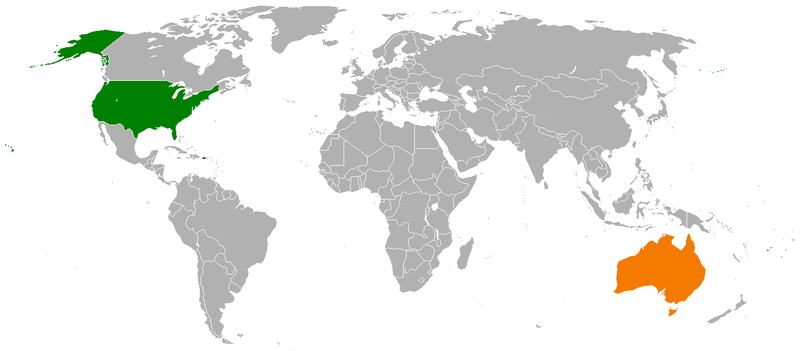
Throughout the negotiations, the contents of the agreement were problematic for different sectors on both sides of the Pacific. US farmers managed to keep sugar out of the deal, but would face new competition from Australian dairy imports. Social opposition to the agreement ran high in Australia, the major concern being access to affordable medicine. The FTA commits Australia to provide stronger patent monopolies to US drug companies, directly compromising Australia's Pharmaceuticals Benefits Scheme (PBS).
The FTA became a key electoral issue in Australia in late 2004. However, Prime Minister Howard was re-elected and came to a final accord with the Bush administration on the drugs chapter by the end of the year, thereby assuring the agreement’s entry into force at the start of 2005.
One year into the FTA, debate broke out in Australia over the impacts. In the first year, US exports to Australia had shot up while Australia's exports to the US had shot down. Further, US drug companies were not happy with the limited safeguards left to protect Australia's PBS and started moving to have them scrapped.
In 2007, Australia registered a $13.6 billion trade deficit with the US, its largest ever with any trading partner. The National Institute of Economic and Industry Research estimates that the US-Australia FTA could cost the Australian economy up to $50 billion and 200,000 jobs.
last update: May 2012
Photo: Jackaranga / Wikipedia / Public domain

CTC's web page on the US-Australia FTA
A submission to the Australian Senate Select Committee on the US-Australia Free Trade Agreement by Prof Peter Drahos, Dr Thomas Faunce, Martyn Goddard and Pr...
The bilaterals.org team is pleased to announce the launch of an upgraded version of the website and its content management system.
Click here for more information.

