

UAE


The United Arab Emirates (UAE) is stepping up its efforts to forge bilateral trade deals as part of its strategy to diversify its economy parallel to fossil fuels and consolidate its geopolitical position. The UAE is aiming to sign 26 free trade agreements (usually called Comprehensive Economic Partnership Agreements or CEPAs) over the next few years, positioning itself as a key player in the global supply chain.

It is also a member of the regional Gulf Cooperation Council, which is a party to a number of free trade agreements, and the Greater Arab Free Trade Area.

Already an established business and tourism hub, the UAE seeks to consolidate its status as a financial powerhouse and expand into sectors such as clean energy, technology and agribusiness. Food security is a critical geostrategic concern for the UAE, given its reliance on food imports. Through a tightly controlled network of ports and logistics platforms, and new CEPAs, the UAE aims to become a central hub in the global agri-food trading system, where corporations can import and re-export products across Asia, Africa and Europe quickly and duty-free.

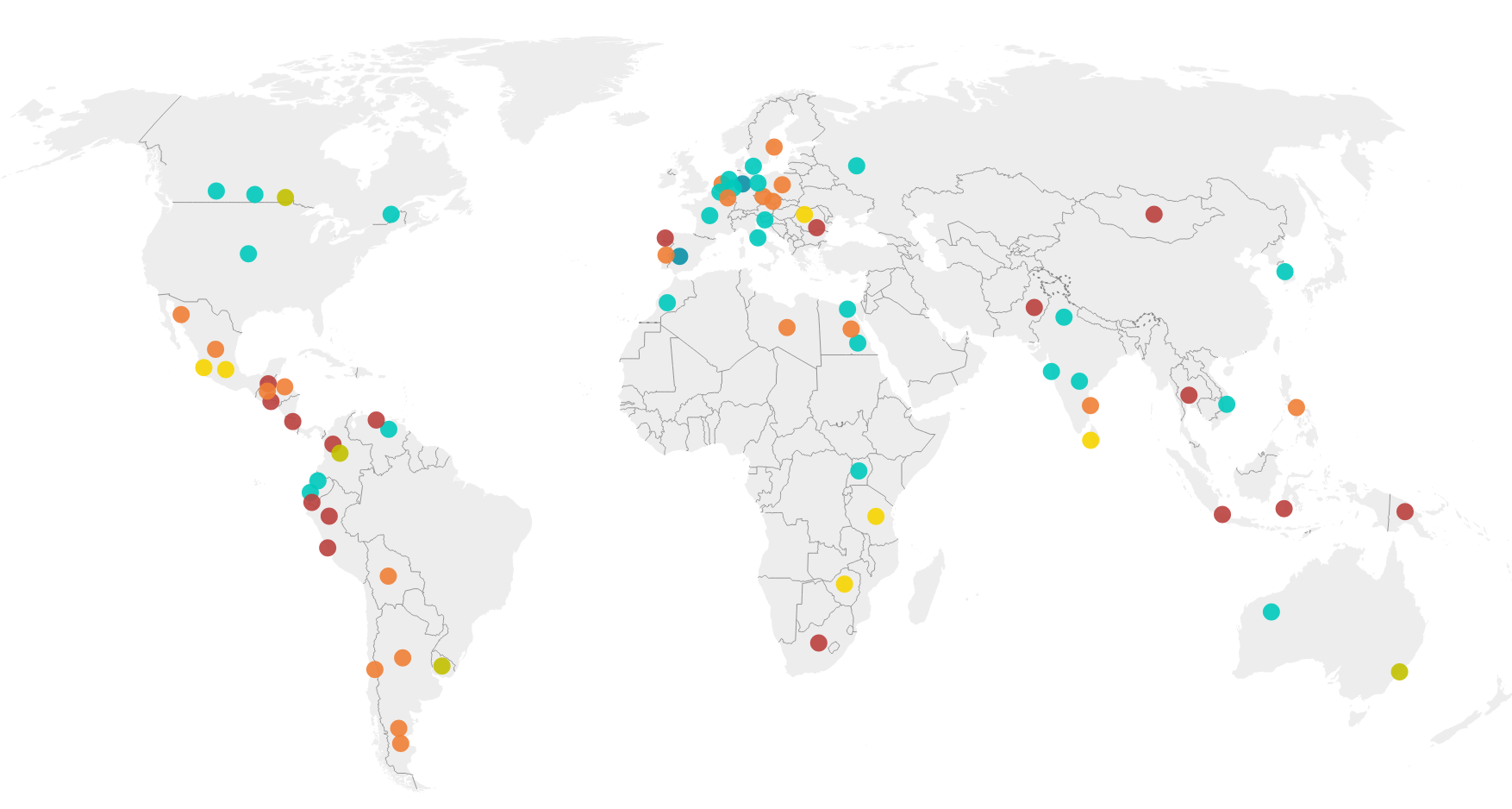
The UAE's ambitious network of free trade agreements spans the globe. In Africa, it has signed trade deals with Kenya, Mauritius, Morocco and the Republic of Congo, and is seeking more, including with Nigeria and the East African Community. Bilateral investment treaties have been signed with Ethiopia, Liberia, Nigeria and Zimbabwe. Over the past decade, the UAE has invested US$59.4 billion in the continent. New free trade agreements and opportunities arising from the African Continental Free Trade Area are likely to accelerate this trend.

In Latin America, the UAE has inked deals with Chile, Colombia and Costa Rica, and is negotiating with Ecuador, Mercosur and Peru. Its presence in the Asia-Pacific region is also growing, with CEPAs signed with Cambodia, India, Indonesia, Israel, South Korea and Türkiye, and ongoing negotiations with Australia, Hong Kong, Malaysia, New Zealand, Pakistan, the Philippines, Thailand and Vietnam. An agreement with Bangladesh is at an early stage.

In Europe, agreements have been signed with Georgia, Serbia and Ukraine, and negotiations are underway with the Russia-led Eurasian Economic Union. Future potential deals include those with Belarus and the European Union.

The UAE and Canada signed a bilateral investment treaty in 2018.

As the UAE accelerates its post-oil economy plans, these comprehensive trade agreements will play a key role in shaping its new economic landscape.

last update: August 2024
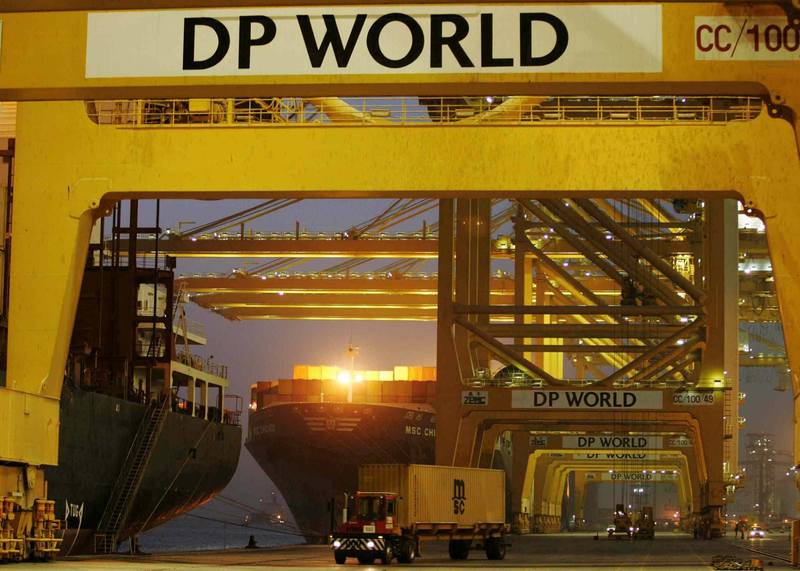
Photo: DP World / Facebook


UAE and New Zealand will begin FTA talks tomorrow
The UAE and New Zealand are expected to begin talks on a free trade agreement (FTA) tomorrow, a top Govennment official said.
UAE-Australia free trade pact likely this year
A free trade agreement between the UAE and Australia is likely to be concluded by the middle of this year, said a top Australian official. The UAE is also likely to conclude another free trade agreement (FTA) with the United States, while the GCC is expected to sign its own FTA with the European Union in May.
Investment opportunities will continue to increase in the UAE
Investment opportunities will continue to increase in the UAE, according to the principal of one private Equity fund, who pointed to anticipated changes in the federal Company Law as further indication of the country's liberal economy.
UAE official: Double taxation deals paving the way for FTA's
According to a top UAE government official, double taxation agreements are paving the way for future free trade agreements and saving millions of dollars for of local companies.
End of monopoly in food sector will benefit customers
The UAE's decision to eliminate the monopoly in the foodstuffs sector will have a profound impact on the economy, according to analysts and businessmen.
Garment makers optimistic on liberalisation
DUBAI'S textile and garments market is one of the largest and strongest markets in the region. In 2004, Dubai's direct exports of the products reached Dh625 million, or 13 per cent of Dubai's direct exports, while re-exports reached Dh6 billion; leading to a total share of 10 per cent to the total value of goods Dubai directly supplied to the rest of the world.
GCC banking sector liberalisation: FTA impact
Recently, Free Trade Agreements (FTAs) negotiations are being held between the GCC countries and the USA. Being crucial sectors in these countries' economies, the banking and financial sectors are being considered for liberalisation in the context of these FTAs.
Committee agrees on FTA elements
In a meeting held recently at the Ministry of Finance and Industry (MoFI) in Dubai, the Rules of Origin National Committee agreed upon various elements including the official forms that will be adopted in the Free Trade Agreements (FTAs) that are currently under negotiation between the UAE and other countries.
UAE rejects GCC pact on free trade deals: Official
Gulf Arab efforts to defend a customs union suffered a setback after the United Arab Emirates refused to sign an accord barring bilateral trade deals except with the United States, Gulf sources said yesterday.
UAE and Australia to hold second round of FTA talks
The UAE and Australia will hold a second round of talks next week in Abu Dhabi to clear the way for the Free Trade Agreement (FTA) to boost trade and investment between the two countries.