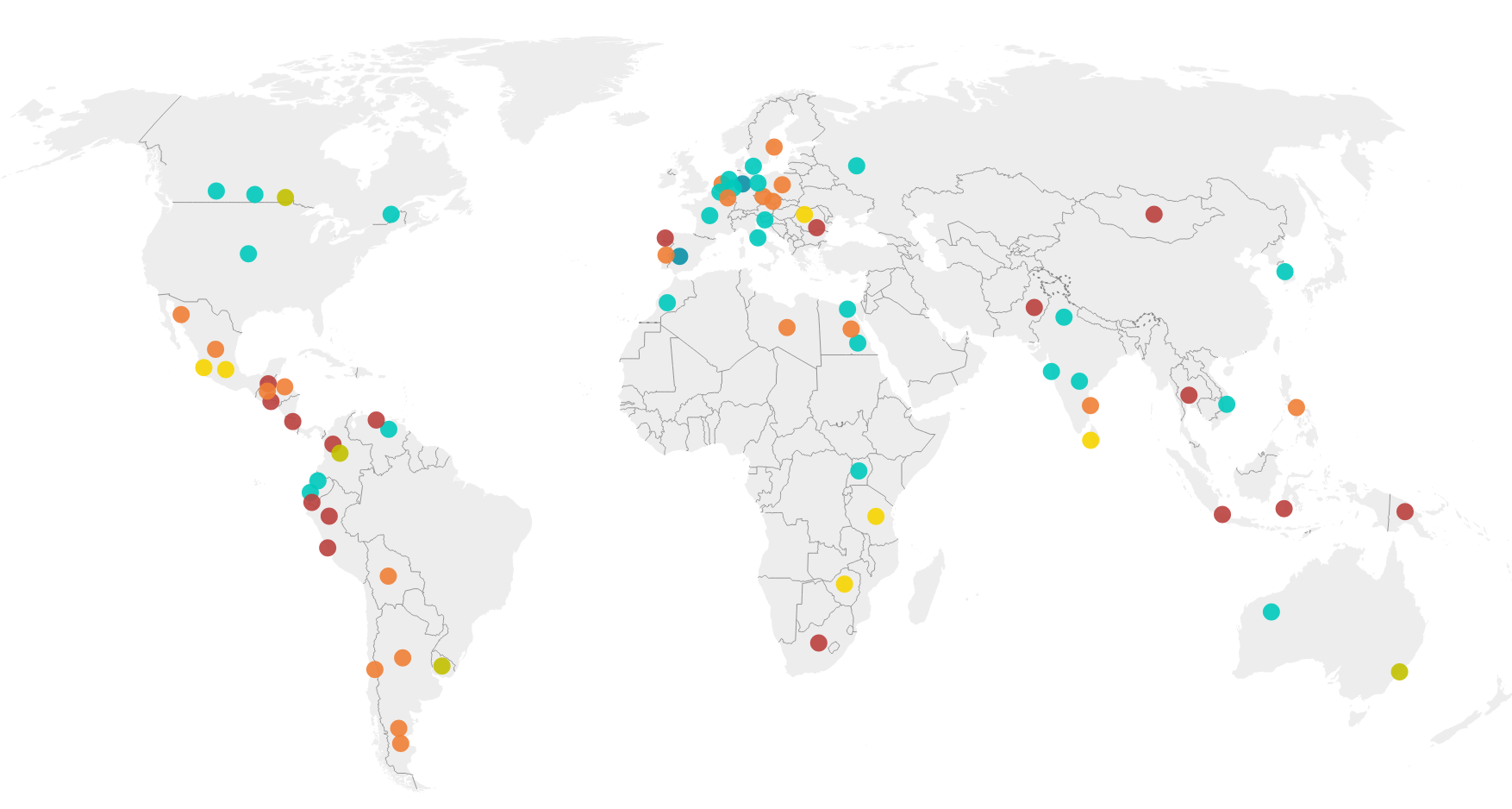

Sri Lanka has preferential and free trade agreements with India, Pakistan, Iran, Egypt, Singapore and Israel. It is currently in the processing of upgrading its agreement with India to a much more comprehensive one.
Sri Lanka is also party to SAFTA, the agreement on a South Asia Free Trade Area, as well as BIMSTEC, which aims to hammer out a regional FTA.
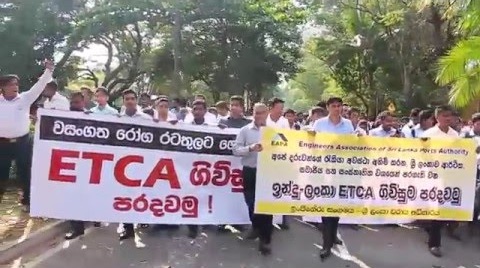
last update: May 2012 Photo: Sri Lankan engineers' association
The Free Trade Agreement (FTA) signed with Singapore is detrimental to the country because it would allow the flowing in of cheap labour from countries such as India, Pakistan and Bangladesh, the joint opposition said today.
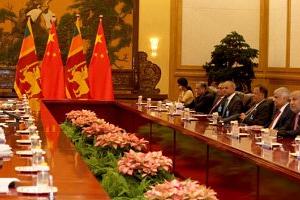
Sri Lanka will “redouble” efforts to strike a free trade deal with China and conclude and expanded trade pact with India as part of the island nation’s strategy of becoming an Indian Ocean hub for investors and multinationals, the country’s top diplomat says.
Professionals’ National Front (PNF), a collective of professional organizations, yesterday requested President Maithripala Sirisena to suspend talks on the Indo-Sri Lanka Economic and Technology Co-operation Agreement (ETCA) scheduled for February 21 in New Delhi.
Sri Lanka wants a longer-time period to negotiate a free trade agreement with China as it is concerned about the economic impact of a rushed deal on their small country, the Sri Lankan ambassador said.
The recently signed Sri Lanka-Singapore Free Trade Agreement has been able to create a lot of enthusiasm among New Zealand companies operating in Singapore.
Sri Lanka wants a longer-time period to negotiate a free trade agreement with China as it is concerned about the economic impact of a rushed deal on their small country, the Sri Lankan ambassador said on Sunday.
The Singapore government has rejected a request from the Sri Lankan government for the movement of natural person (mode 4) be completely opened under the Free Trade Agreement.
So what does the government mean by ‘Looking East?’ Is it simply a buzz-word thrown in for good measure, in the process of marketing the Singapore FTA to the public? Does it point to some confusion at a policy level? Or is it terminology advised by external forces guiding policy?