

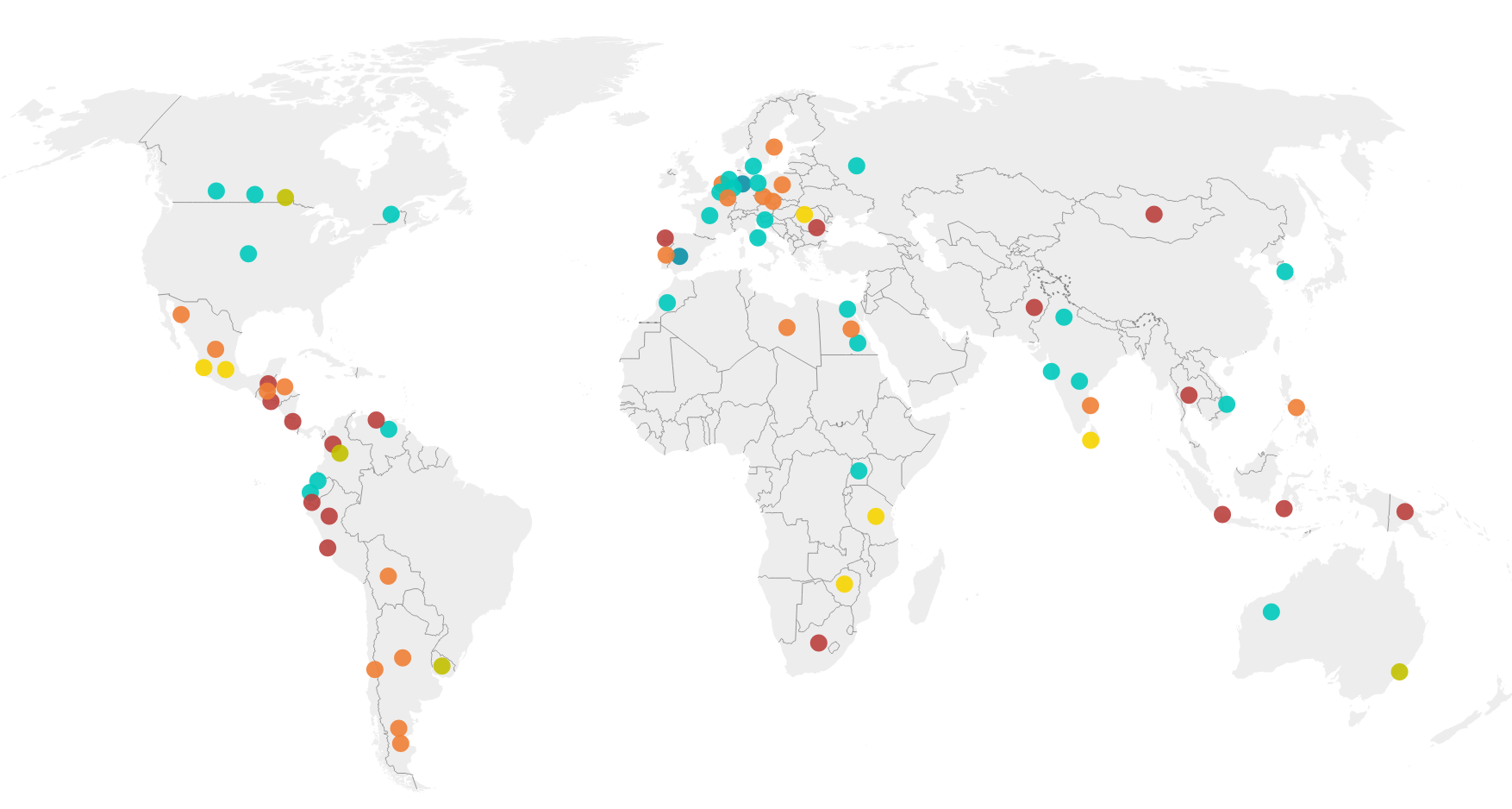

Sri Lanka has preferential and free trade agreements with India, Pakistan, Iran, Egypt, Singapore and Israel. It is currently in the processing of upgrading its agreement with India to a much more comprehensive one.
Sri Lanka is also party to SAFTA, the agreement on a South Asia Free Trade Area, as well as BIMSTEC, which aims to hammer out a regional FTA.
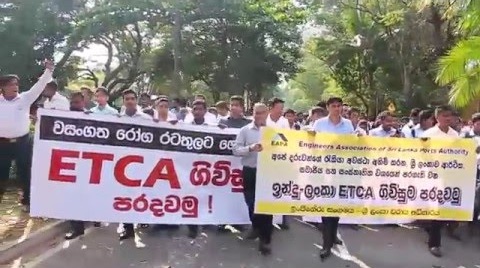
last update: May 2012 Photo: Sri Lankan engineers' association
Director General Commerce Department Gomi Senadhira let the cat out of the bag when he told a seminar on the proposed Comprehensive Economic Partnership Agreement (CEPA) last Friday, that it was an agreement which was originally due to have had been signed in 2008 when Indian Premier Manmohan Singh visited the island for the SAARC summit, based on contents already agreed upon.
The Government has no intention to hide the facts in the proposed Comprehensive Economic Partnership Agreement (CEPA) between India and Sri Lanka and all the details will be made public before agreement is signed, a senior official said.
Trade between Sri Lanka and Bangladesh will grow due to the vast opportunities in both countries to expand business, said High Commissioner of Bangladesh, Mahbub Uz Zamman.
Sri Lanka could lose more opportunities to access India's huge market owing to delays in striking a new economic partnership deal with her neighbour, the Indian envoy in Colombo has warned.
Ten years after the implementation of the Free Trade Agreement (FTA) between India and Sri Lanka which came into full existence in March 1, 2000, most heads of Sri Lankan chambers of commerce and industries say that its performance is not up to expectation even after a decade.
Sri Lanka's trade benefits with the world's biggest consumer market are due to expire Aug. 15. The EU had asked Sri Lanka to give a written commitment by July 1 pledging to improve human rights before it would consider renewing them.
The Democratic National Alliance in Sri Lanka has decided to ask for a parliamentary debate on the proposed Comprehensive Economic Partnership Agreement to be signed with India and asked the government to disclose the contents of the agreement.
Although Governments of India and Sri Lanka have shown keen interest in expediting their mutual trade pact, the Comprehensive Economic Partnership Agreement (CEPA) is likely to get delayed after local business leaders have expressed grave concerns over its impact on Sri Lankan economy.
The India-Sri Lanka agreement is like the story of two farmers who share a cow by owning two equal halves of the cow. They tied a rope around the belly of the cow. One owned the front part and the other the rear. Farmer who owned the rear got all the economic benefits including milk, calves and even manure while the other paid for it!
President Mahinda Rajapaksa on Tuesday said Sri Lanka would not enter into trade agreements that would have an adverse effect on the country’s economy when he met a group of protestors against the implementation of a comprehensive economic partnership agreement (CEPA) with India.