

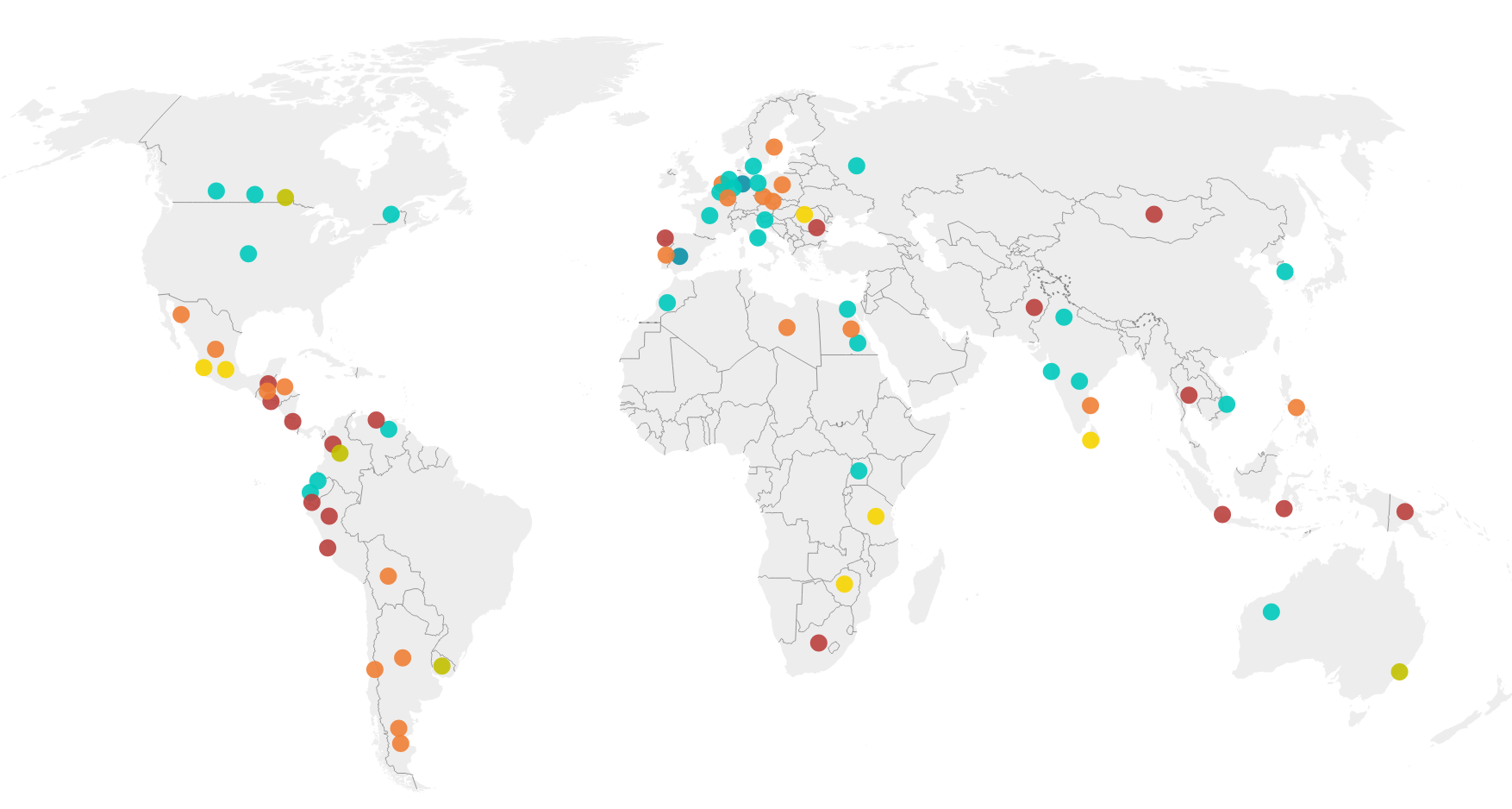
ISDS Case Map

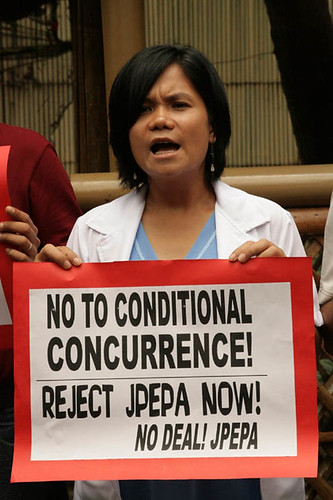
JPEPA was and remains hugely controversial. Filipinos -- and on some issues, Japanese groups -- mobilised to stop the deal for many reasons, including the following:
- the small job market openings for Filipino healthcare workers are very limited (the workers must learn Japanese, undergo equivalency exams, stay for only a restricted time etc) and overlook the real potential for abuse of Filipino workers in Japan;
- concerns that Japan will gain access to and be able to overfish Philippine waters, ruining the livelihoods of small fisherfolk;
- any supposed benefits for increased pineapple and banana exports to Japan would in fact go to corporations like Dole and Del Monte, and their local business partners, who own and run the plantations in the Philippines -- not to small or landless Filipino farmers;
- its unconstitutionality, since JPEPA allows Japanese corporations to own land, operate schools and practice certain professions in the Philippines which the Philippine Constitution does not allow;
- the huge imbalances in the deal, e.g. Japan excluded almost 200 tariff lines from the agreement, the Philippines only six; and
- the fact that JPEPA gives explicit legal ground for Japan to dump toxic wastes in the Philippines.
last update: May 2012
Photo: Karasantos / CC BY-NC-SA 2.0
Multisectoral effort to defeat an unfair and environmentally unjust bilateral trade agreement with Japan
The bilaterals.org team is pleased to announce the launch of an upgraded version of the website and its content management system.
Click here for more information.