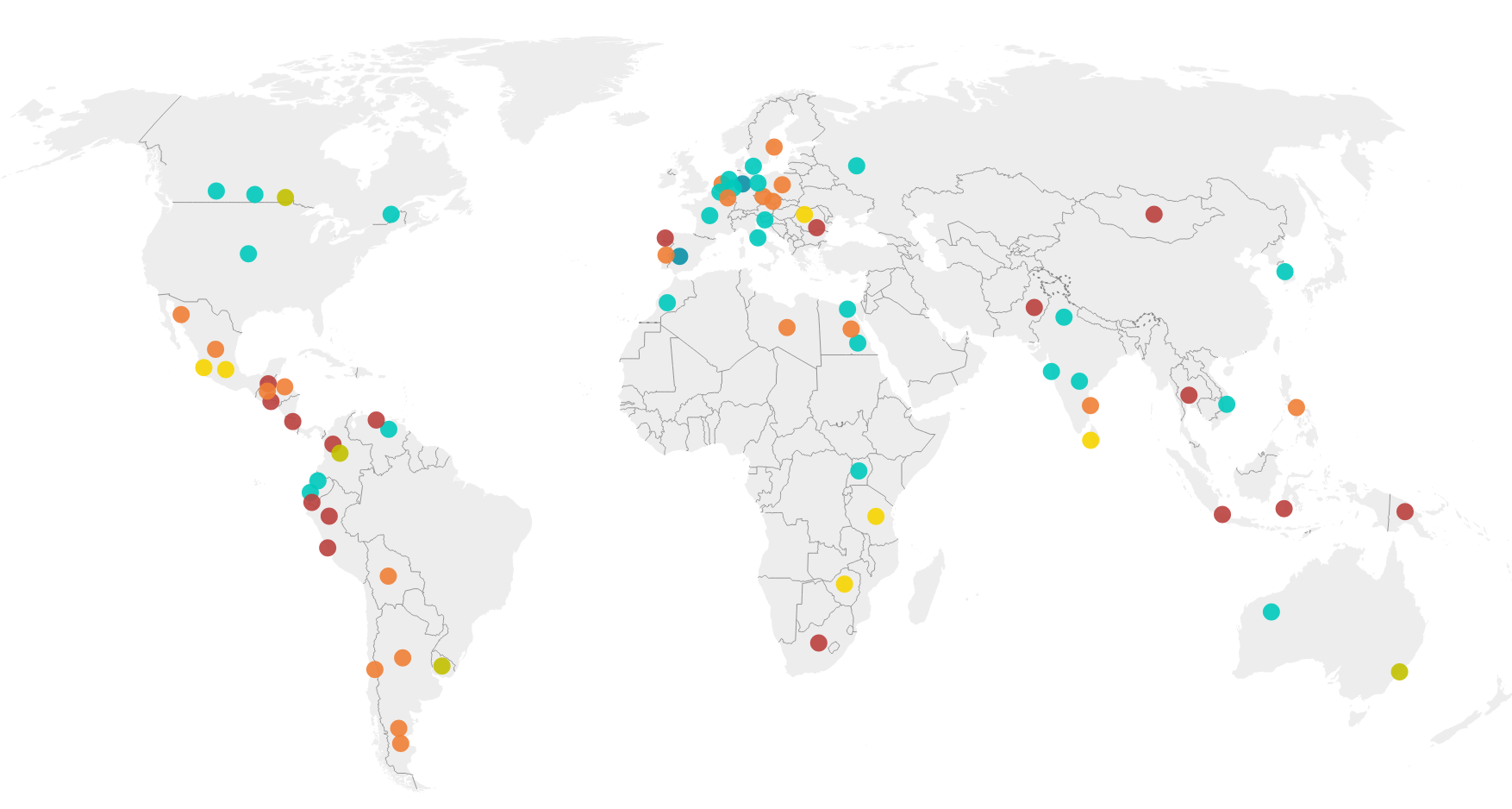
An international treaty that hamstrings governments’ ability to make climate policy is still in force – and an attempted overhaul has not worked. This is why the EU and its member states need to walk away from the Energy Charter Treaty.
Negotiations for a long-lasting free trade deal between Australia and the European Union are on the eve of being finalised, with hopes an agreement will be ratified by 2024.
The text of the agreement in principle to modernize the Energy Charter Treaty leaves unanswered too many crucial questions about the possibility of further fossil fuel carveouts and the exact timing of its entry into force.
The agreement conclusion may also indicate that both sides are inching closer
toward a free trade agreement, which would be the third the EU has
struck with a Southeast Asian country.
The draft law on the “termination of the of the Energy Charter Treaty” and its protocols was agreed by the Polish government on 10 August and sent to the country’s lower chamber.
"It is by no means a done deal ... there's going to be a huge diplomatic effort to push this across the line," - NZ's chief EU trade negotiator Vangelis Vitalis.
An African supply chain that makes it difficult to move goods by water from Cameroon to Nigeria but easy to move goods from Cameroon to China and other countries is a threat to the regional integration plan.